loader image

Nerve Function Restoration

Nerve injuries affect movement, sensation,
andcmuscle control in the hand and upper
limb. Early treatment helps restore function,
reduce disability, and improve quality of life.

Nerve injuries affect movement, sensation, andcmuscle control in the hand and upper limb. Early treatment helps restore function, reduce disability, and improve quality of life.

Nerve Function Restoration

Nerve injuries affect movement, sensation, andcmuscle control in the hand and upper limb. Early treatment helps restore function, reduce disability, and improve quality of life.

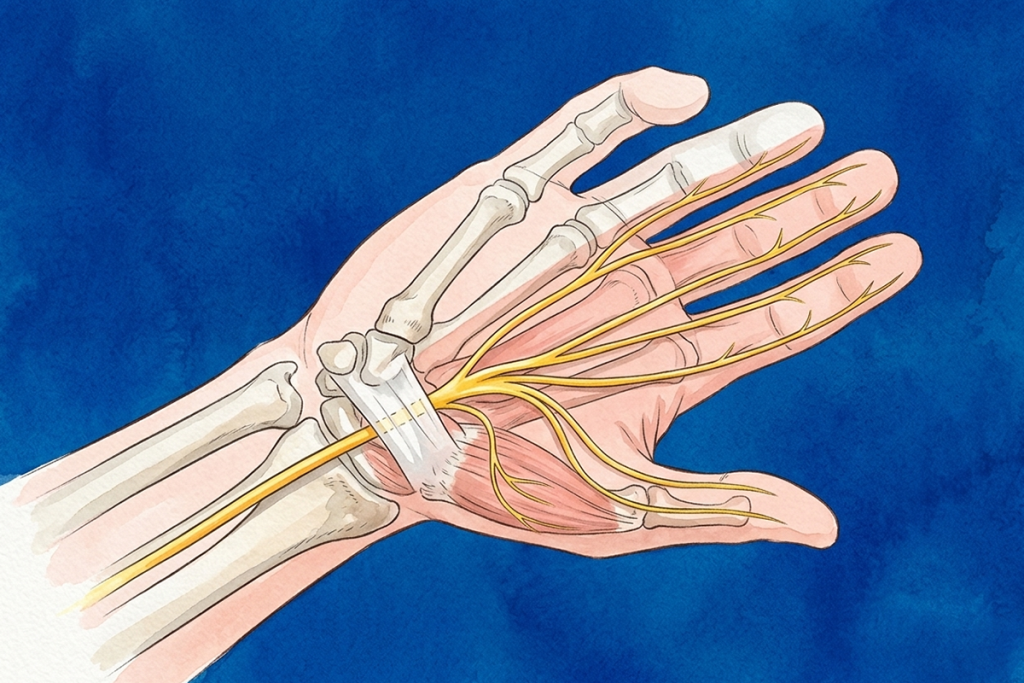
Nerve Function Restoration injuries can occur due to cuts, accidents, fractures, or severe trauma. They may lead to numbness, weakness, or complete loss of movement in affected areas. Without proper treatment, nerves may not heal correctly, causing long-term disability. Common symptoms include tingling, burning sensation, muscle weakness, and loss of coordination.
Nerve Function Restoration Treatments

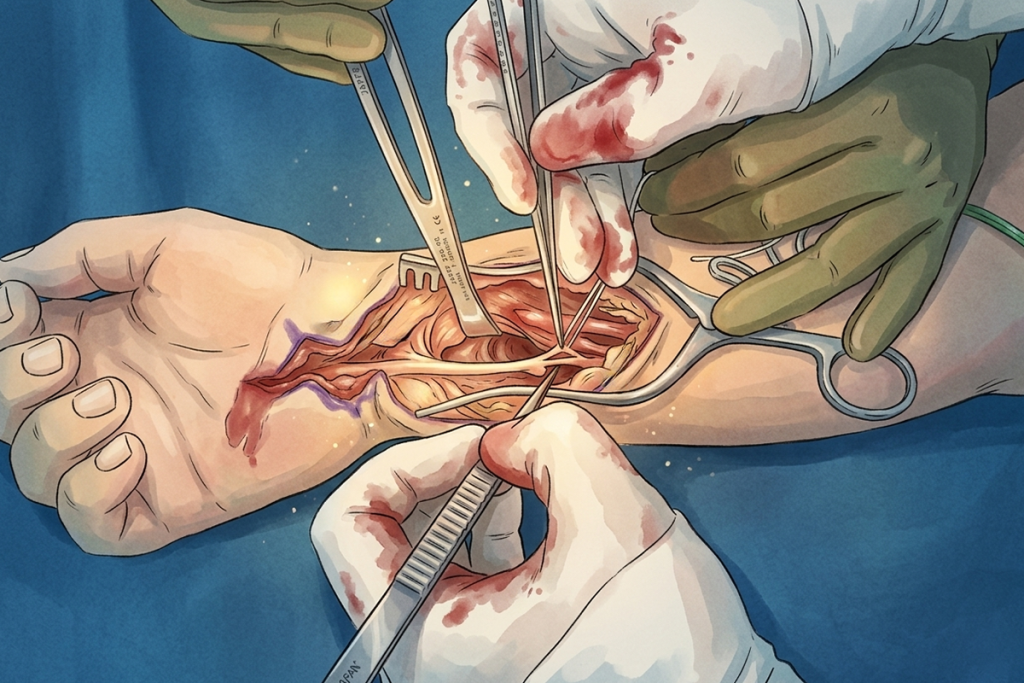
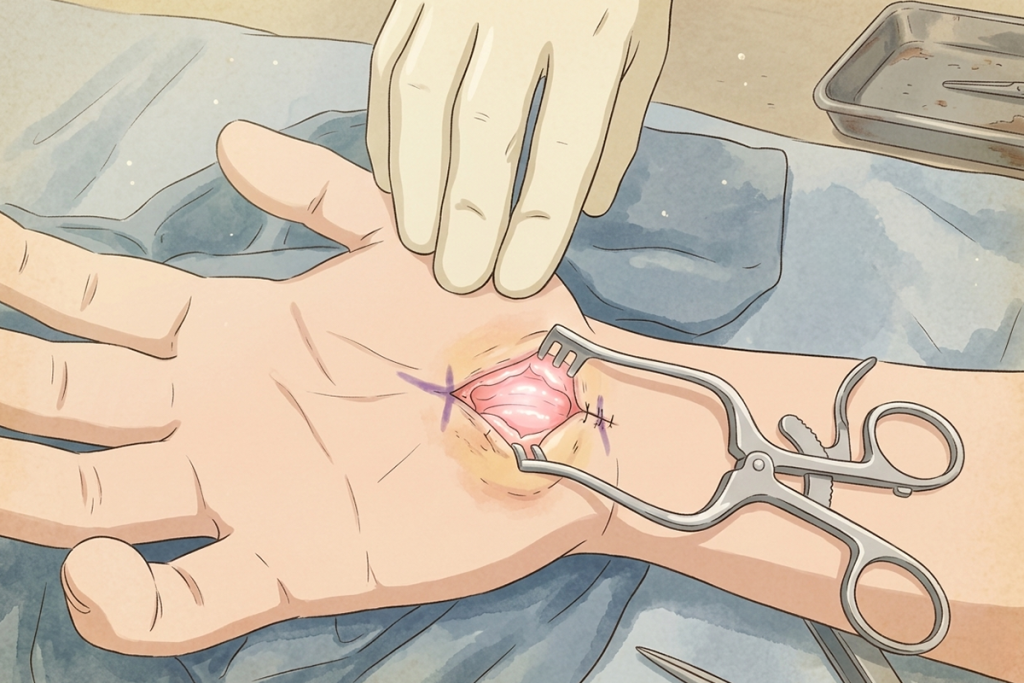
Primary Nerve Repair

  • A procedure where the two ends of a damaged nerve are directly stitched together
  • It is done when the nerve ends are clean and close to each other
  • Helps restore normal nerve signals and function
  • Early repair gives better recovery results
  • Commonly used in sharp cut injuries

Primary Nerve Repair

  • A procedure where the two ends of a damaged nerve are directly stitched together
  • It is done when the nerve ends are clean and close to each other
  • Helps restore normal nerve signals and function
  • Early repair gives better recovery results
  • Commonly used in sharp cut injuries

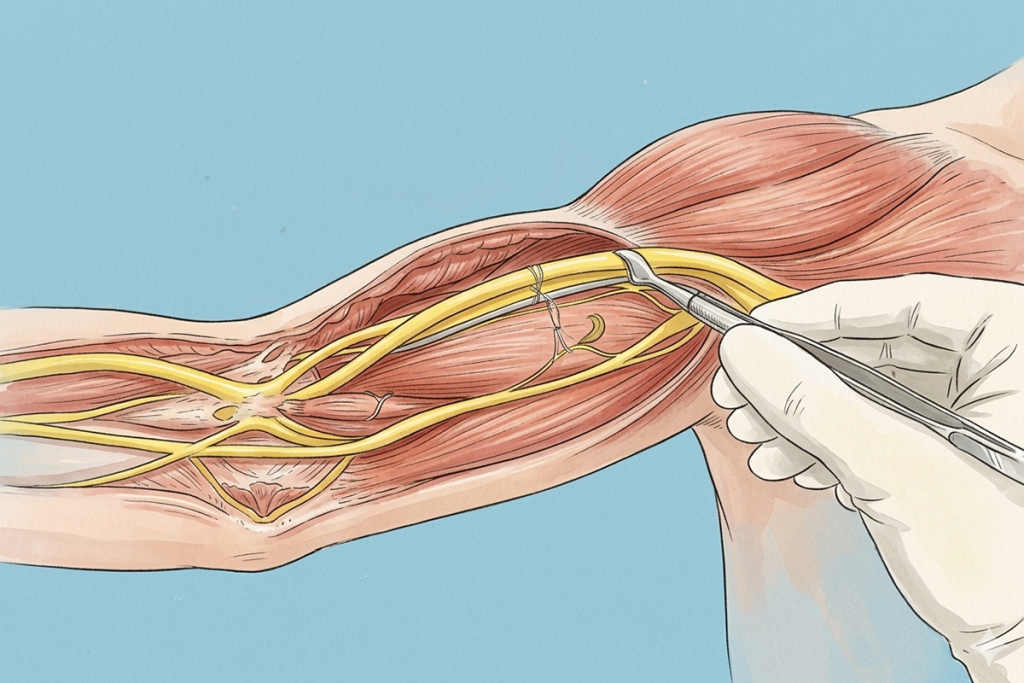
Nerve Grafting

  • Used when there is a gap between nerve ends that cannot be directly repaired
  • A healthy nerve from another part of the body is used to bridge the gap
  • Supports nerve regeneration over time
  • Recovery may take months depending on nerve length
  • Improves chances of regaining sensation and movement

Nerve Grafting

  • Used when there is a gap between nerve ends that cannot be directly repaired
  • A healthy nerve from another part of the body is used to bridge the gap
  • Supports nerve regeneration over time
  • Recovery may take months depending on nerve length
  • Improves chances of regaining sensation and movement

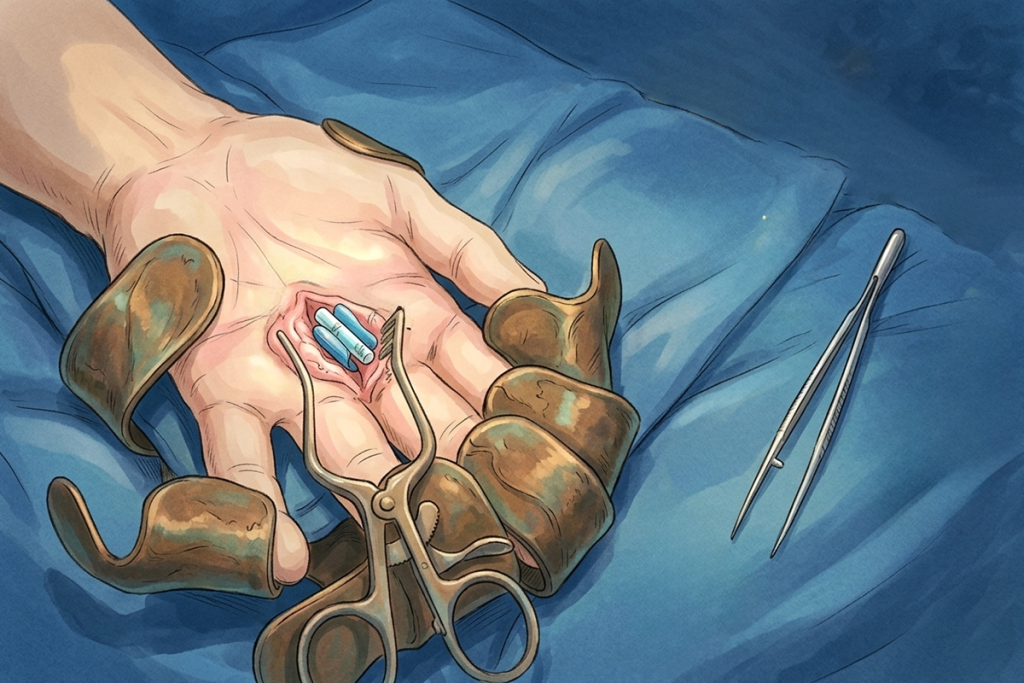
Artificial Nerve Tube Repair

  • A special tube is used to connect nerve ends and guide healing
  • Acts as a bridge for nerve fibers to grow across the gap
  • Used for small nerve gaps
  • Reduces need for nerve harvesting from other areas
  • Minimally invasive compared to grafting

Artificial Nerve Tube Repair

  • A special tube is used to connect nerve ends and guide healing
  • Acts as a bridge for nerve fibers to grow across the gap
  • Used for small nerve gaps
  • Reduces need for nerve harvesting from other areas
  • Minimally invasive compared to grafting

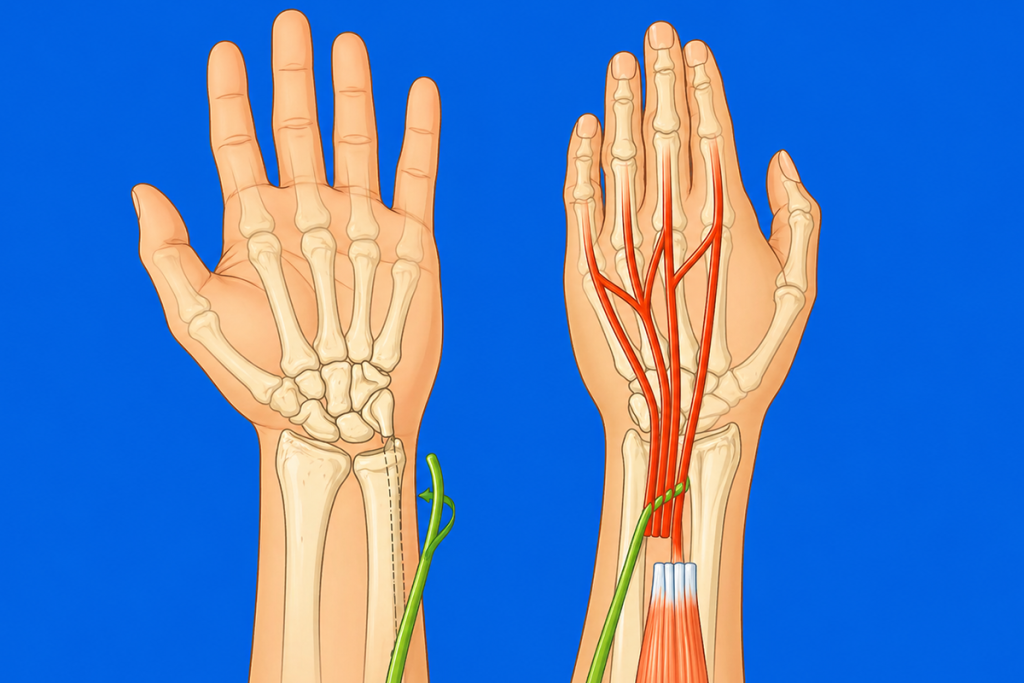
Movement Nerve Transfer Surgery

  • A healthy working nerve is redirected to restore lost muscle movement
  • Used when original nerve function cannot be recovered
  • Helps regain muscle strength and control
  • Common in severe or delayed nerve injuries
  • Improves functional independence

Movement Nerve Transfer Surgery

  • A healthy working nerve is redirected to restore lost muscle movement
  • Used when original nerve function cannot be recovered
  • Helps regain muscle strength and control
  • Common in severe or delayed nerve injuries
  • Improves functional independence

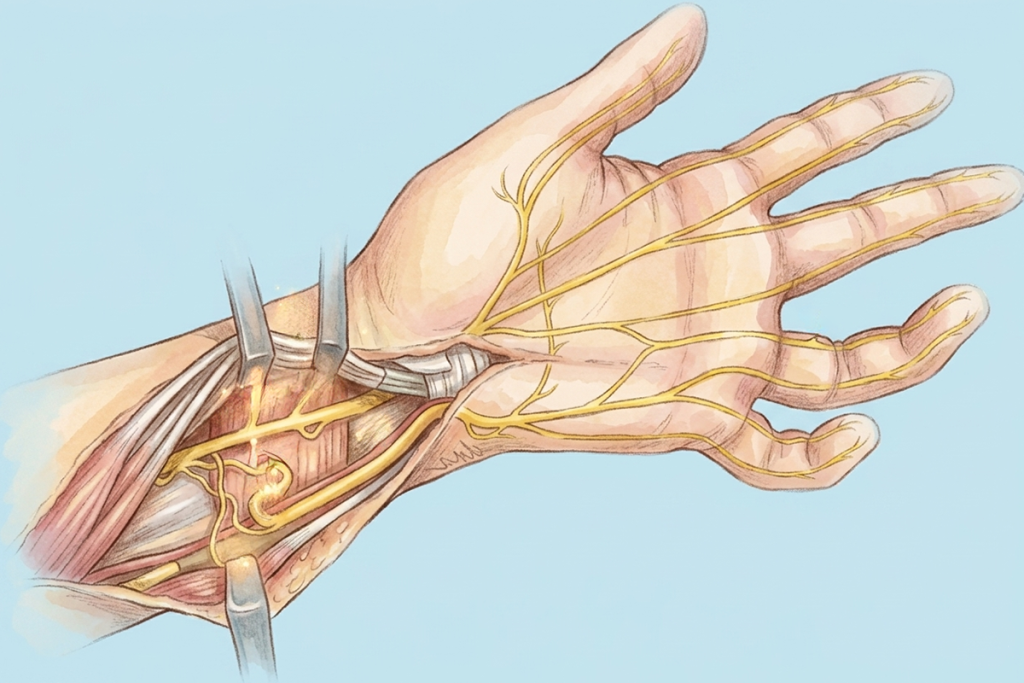
Sensory Nerve Transfer

  • A functioning nerve is transferred to restore sensation in affected areas.
  • Helps regain feelings like touch, pain, and temperature.
  • Important for hand safety and coordination.
  • Prevents unnoticed injuries due to numbness.
  • Enhances overall hand function.

Sensory Nerve Transfer

  • A functioning nerve is transferred to restore sensation in affected areas.
  • Helps regain feelings like touch, pain, and temperature.
  • Important for hand safety and coordination.
  • Prevents unnoticed injuries due to numbness.
  • Enhances overall hand function.

Tendon + Nerve Transfer

  • A combination of tendon and nerve procedures to restore movement and sensation
  • Used in complex or long-standing injuries
  • Improves both strength and functional ability
  • Helps patients regain daily activity performance
  • Provides better overall recovery outcomes

Tendon + Nerve Transfer

  • A combination of tendon and nerve procedures to restore movement and sensation
  • Used in complex or long-standing injuries
  • Improves both strength and functional ability
  • Helps patients regain daily activity performance
  • Provides better overall recovery outcomes

Why Early Consultation Matters

Early diagnosis prevents permanent nerve damage and muscle loss. Timely treatment improves nerve regeneration and functional recovery. Specialized care ensures precise repair using advanced techniques. Delayed treatment can reduce success rates and limit recovery potential.

Early nerve repair can restore movement and sensation