Baby Hand Differences
Baby hand differences are conditions where a child is born
with a hand or finger that looks or works differently. These changes happen before birth and can affect how the hand
grows and functions.
Baby Hand Differences
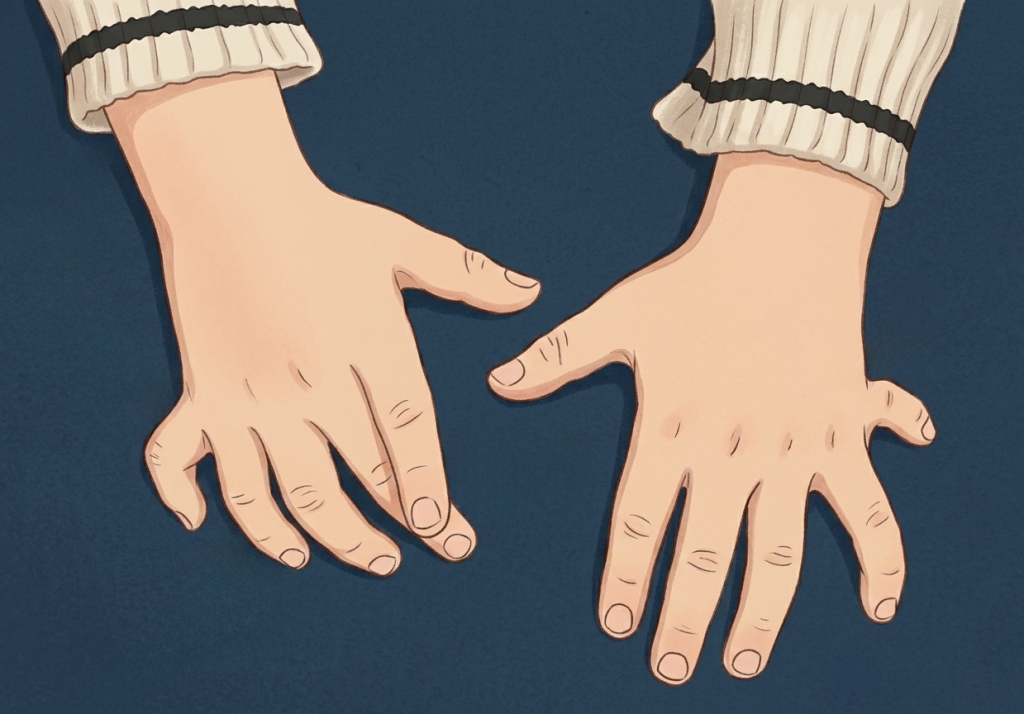
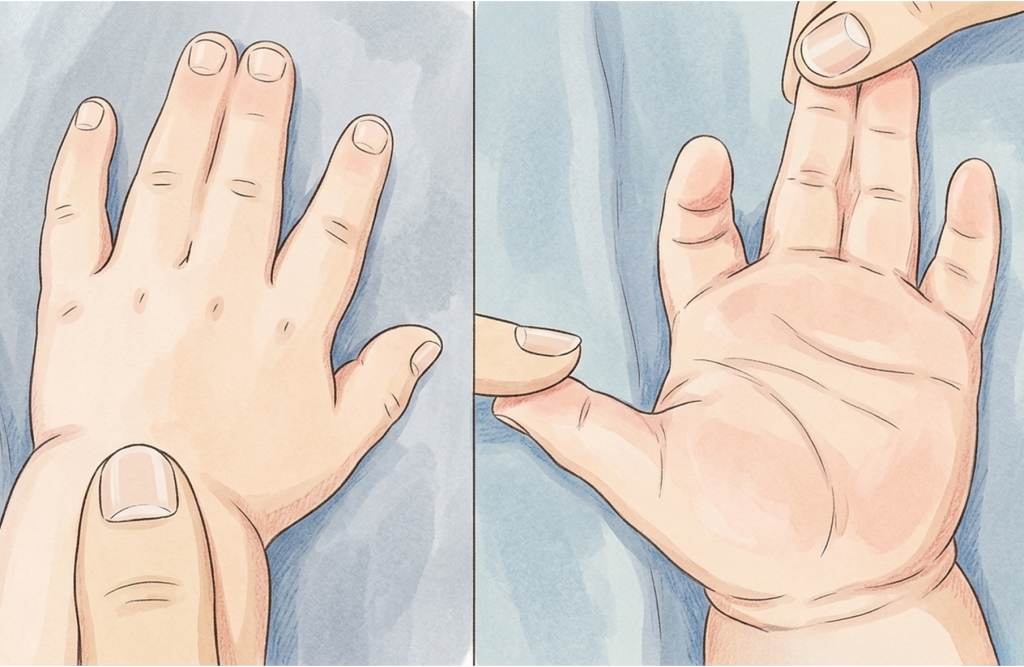
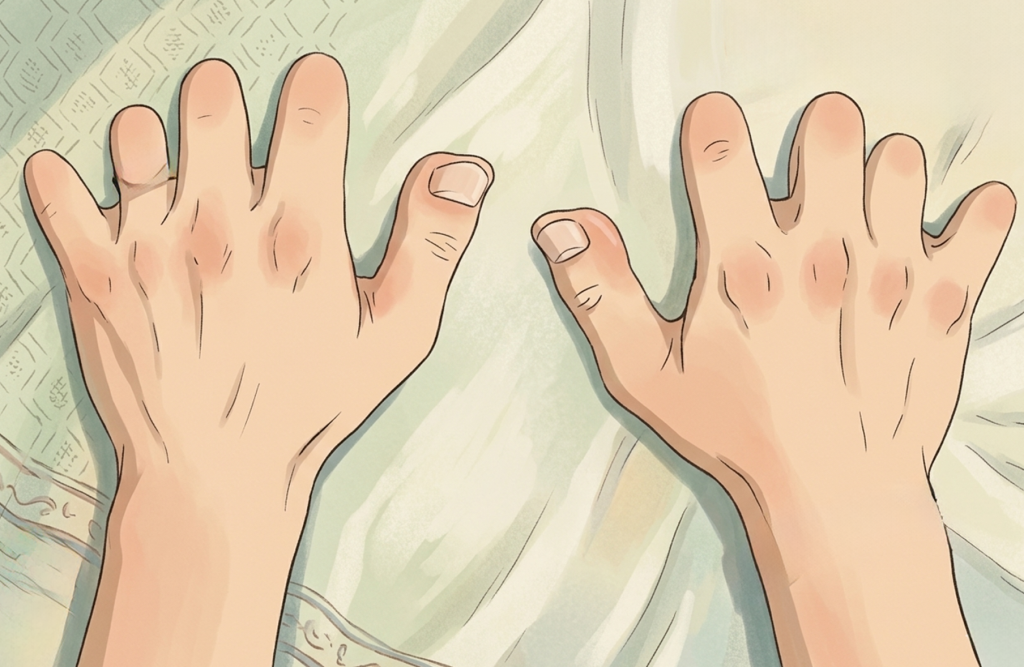
Baby hand differences are conditions where a child is born with a hand or finger that looks or works differently. These changes happen before birth and can affect how the hand grows and functions.
Baby hand differences develop during early pregnancy. They are common and can range from mild to complex. Some children have no major issues, while others may need treatment. These differences can affect one or both hands. Early diagnosis helps improve function and appearance. With the right care, children can live normal, active lives.
Baby hand differences develop during early pregnancy. They are common and can range from mild to complex. Some children have no major issues, while others may need treatment. These differences can affect one or both hands. Early diagnosis
helps improve function and appearance. With the right care, children can live
normal, active lives.
Types of Baby Hand Differences
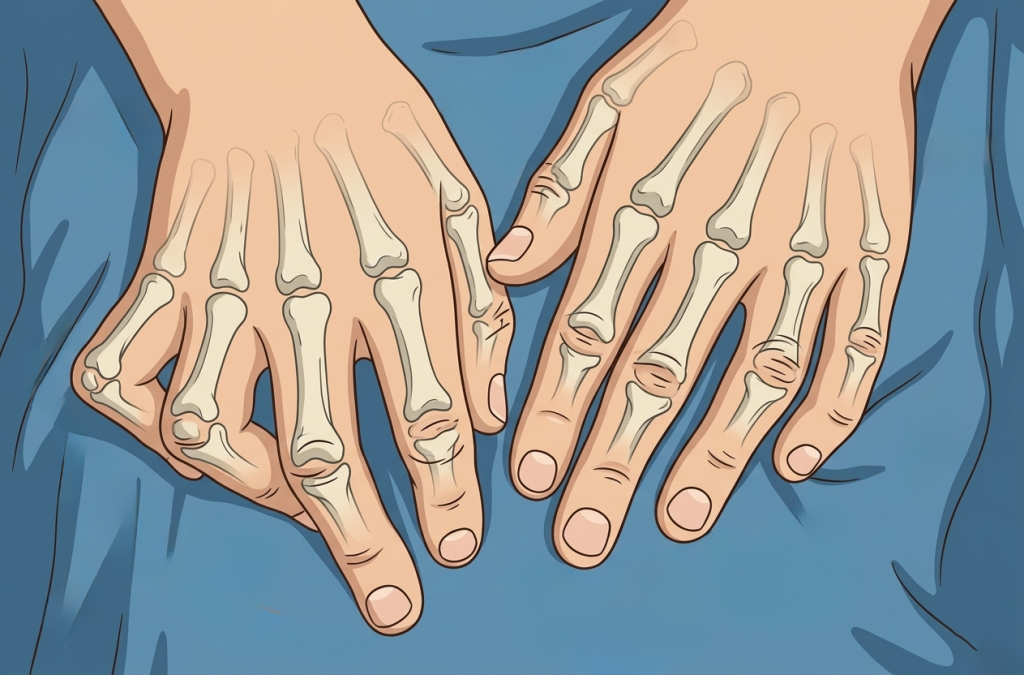
Syndactyly
- Two or more fingers are joined together at birth
- The connection may be skin or bone
- It can affect finger movement
- Doctors usually treat it with surgery
- Treatment is often done at a young age
- Results are usually very successful
Syndactyly
- Two or more fingers are joined together at birth
- The connection may be skin or bone
- It can affect finger movement
- Doctors usually treat it with surgery
- Treatment is often done at a young age
- Results are usually very successful
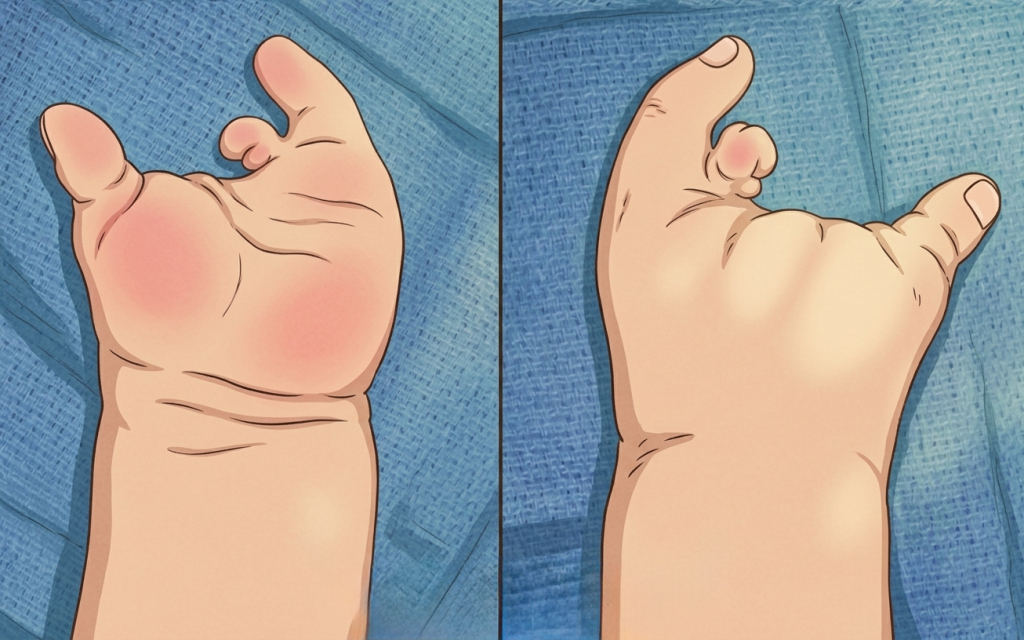
Ectrodactyly
- Hand may have a missing middle fingers
- Creates a “gap” in the hand
- Can affect grip strength
- Treatment depends on severity
- Surgery may improve function
- Early care helps better adaptation
Ectrodactyly
- Hand may have a missing middle fingers
- Creates a “gap” in the hand
- Can affect grip strength
- Treatment depends on severity
- Surgery may improve function
- Early care helps better adaptation
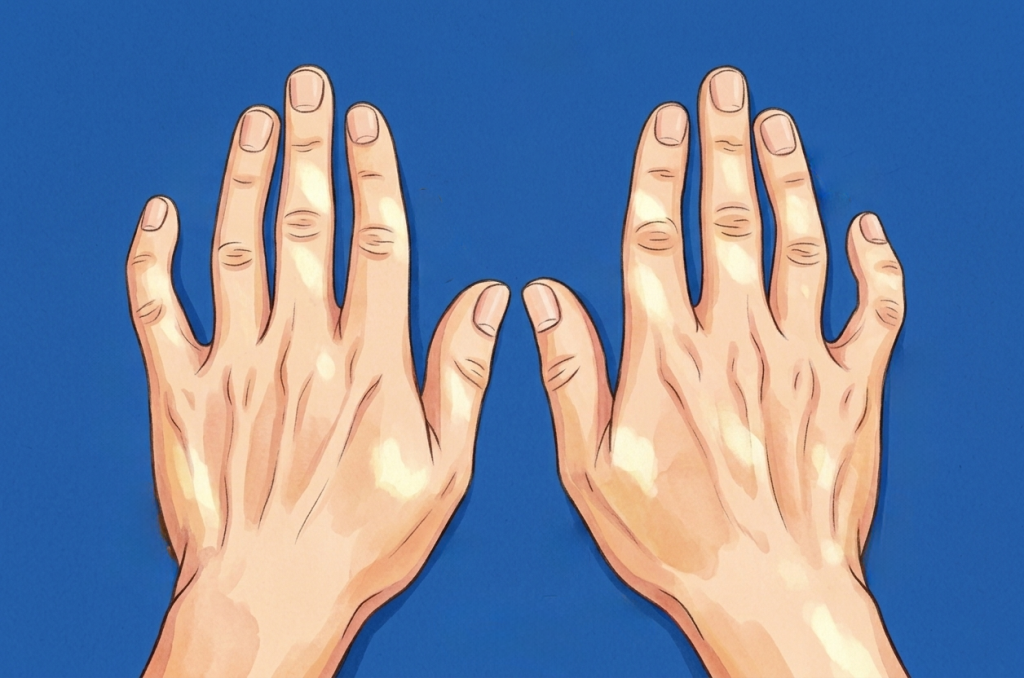
Brachydactyly
- Fingers are shorter than usual
- This happens due to smaller bones
- Usually it does not cause major problems
- Some may have limited finger movement
- Often no treatment is required
- Regular check-ups are enough
Brachydactyly
- Fingers are shorter than usual
- This happens due to smaller bones
- Usually it does not cause major problems
- Some may have limited finger movement
- Often no treatment is required
- Regular check-ups are enough
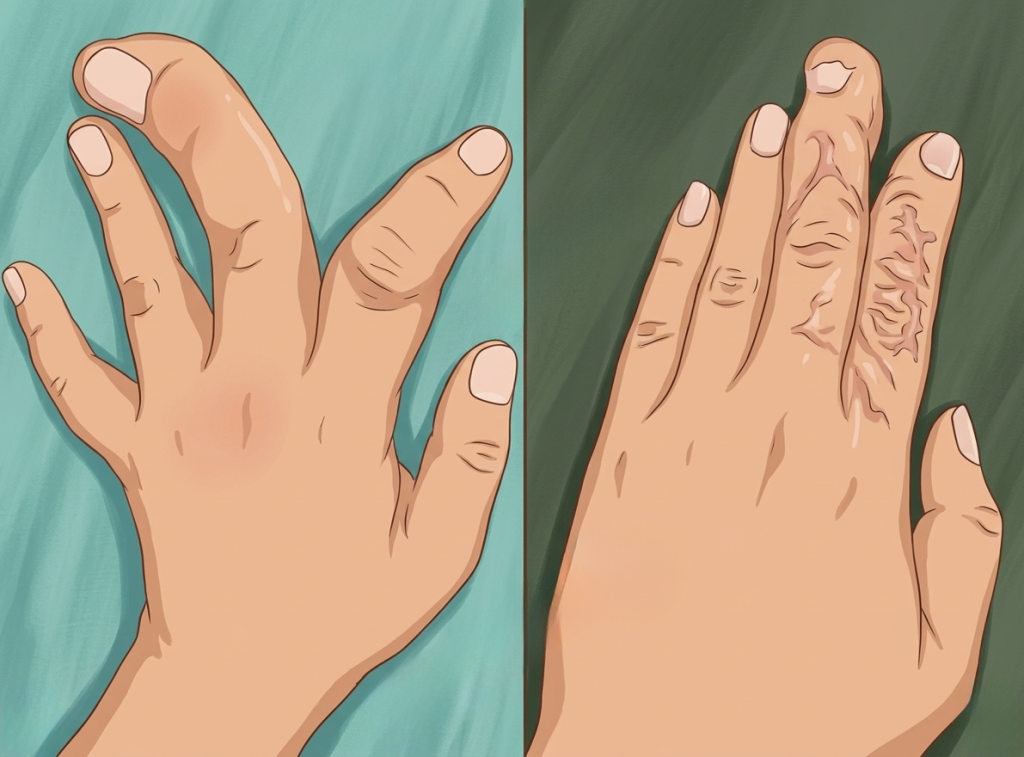
Clinodactyly
- A finger bends slightly to one side
- Commonly affects the little finger
- Usually painless and mild
- Severe cases may affect hand use
- Splints or surgery may be advised
- Most children do well without treatment
Clinodactyly
- A finger bends slightly to one side
- Commonly affects the little finger
- Usually painless and mild
- Severe cases may affect hand use
- Splints or surgery may be advised
- Most children do well without treatment
Camptodactyly
- A finger stays bent and cannot fully straighten
- It often affects the little finger
- It may become more noticeable with age
- Stretching exercises can help
- Some cases need surgery
- Early care gives better results
Camptodactyly
- A finger stays bent and cannot fully straighten
- It often affects the little finger
- It may become more noticeable with age
- Stretching exercises can help
- Some cases need surgery
- Early care gives better results
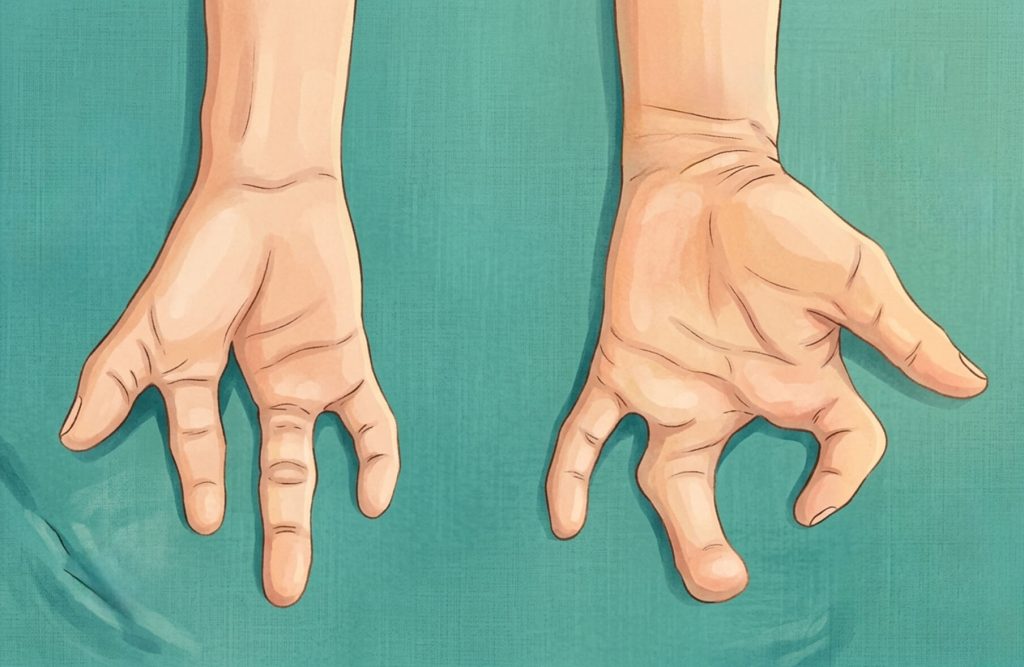
Radial Club Hand
- The wrist bends toward one side
- The thumb may be missing or small
- It affects hand strength and movement
- Visible at birth in most cases
- Treatment may include surgery and therapy
- Long-term care improves function
Radial Club Hand
- The wrist bends toward one side
- The thumb may be missing or small
- It affects hand strength and movement
- Visible at birth in most cases
- Treatment may include surgery and therapy
- Long-term care improves function
Hypoplastic Thumb
- The thumb is smaller or weaker
- It may not function properly
- Gripping objects becomes difficult
- Doctors assess how well it works
- Surgery may improve function
- Early treatment is important
Hypoplastic Thumb
- The thumb is smaller or weaker
- It may not function properly
- Gripping objects becomes difficult
- Doctors assess how well it works
- Surgery may improve function
- Early treatment is important
Adactyly
- One or more fingers are missing at birth
- In rare cases, the whole hand may be absent
- It can affect daily activities
- Prosthetic support may be suggested
- Therapy helps improve independence
- Supportive care is essential
Adactyly
- One or more fingers are missing at birth
- In rare cases, the whole hand may be absent
- It can affect daily activities
- Prosthetic support may be suggested
- Therapy helps improve independence
- Supportive care is essential
Macrodactyly
- One or more fingers are larger than normal
- The size may increase as the child grows
- It can affect balance and hand use
- Sometimes it causes discomfort
- Surgery may be needed in some cases
- Regular monitoring is important
Macrodactyly
- One or more fingers are larger than normal
- The size may increase as the child grows
- It can affect balance and hand use
- Sometimes it causes discomfort
- Surgery may be needed in some cases
- Regular monitoring is important
Why Early Consultation Matters
Early consultation helps doctors plan the right treatment at the right time. It improves hand movement, strength, and appearance. Delaying care can make treatment more difficult later. Parents get clear guidance and confidence about next steps.